Why let the well funded institutions have all of the fun? Non-thermal plasmas have a ton of interesting properties and aren’t that difficult to make, so I made a little home lab to play with magnetic confinement and RF frequency effects. (Time is limited, so my probes are taking a while to build & calibrate.)

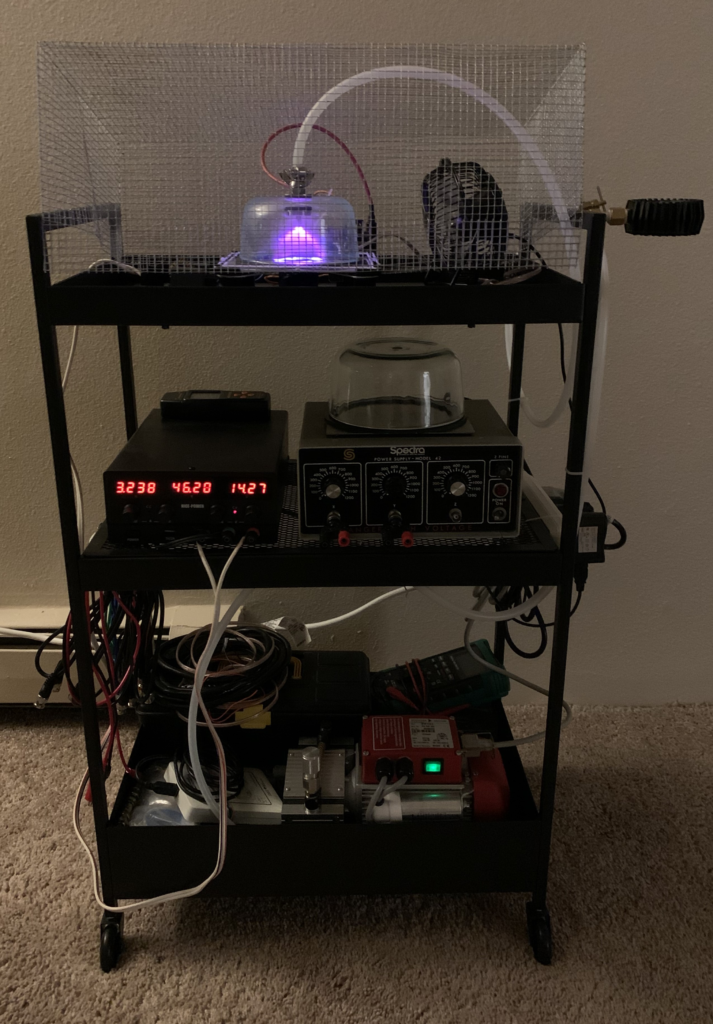
Plasma Setup
The science cart is grounded for safety and an insulating mat is beneath all electrically active components. My little plasma chamber is a simple borosilicate Tupperware container with a 1.2 mm hole bored into the bottom. This hole allows for the exchangeable installation of a top mounted electrode/vacuum port (designed by me and machined by my younger brother Aaron). The aluminum electrode acts as a mount for exchangeable stainless steel electrodes of varying geometries. High voltage (up to 240 kV) is supplied by a flyback transformer connected to a simple ZVS driver which powers the plasma as a low current high voltage alternating current (something between a triangle and a sinewave). Voltage is controlled via input from a standard DC power supply. An aluminum baseplate is grounded to earth and acts as the other electrode in the reactor enabling the discharge while the reactor is held 4 cm above the cart on cute little 3D printed legs. Vacuum is provided by a diaphragm pump, in theory achieving ~500 Pa (~3.5 Torr) of absolute pressure, but my little capacitive pressure gauge cannot read that low.

Phase 1: Play with magnets
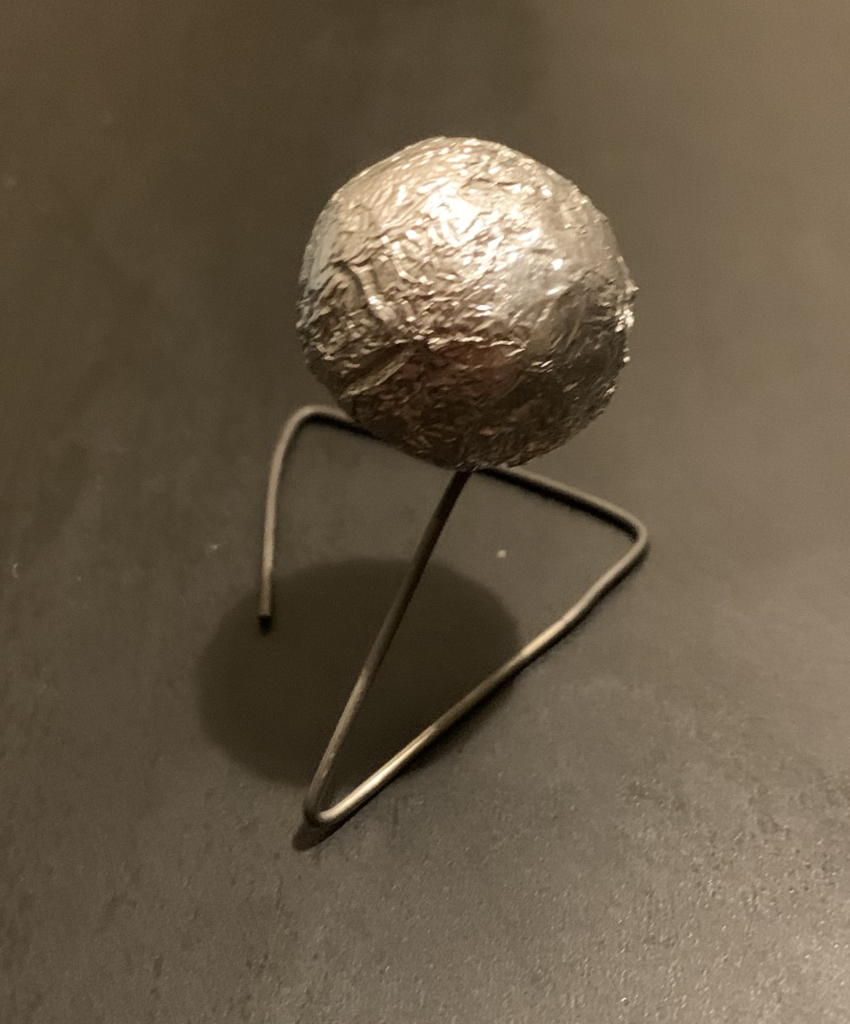
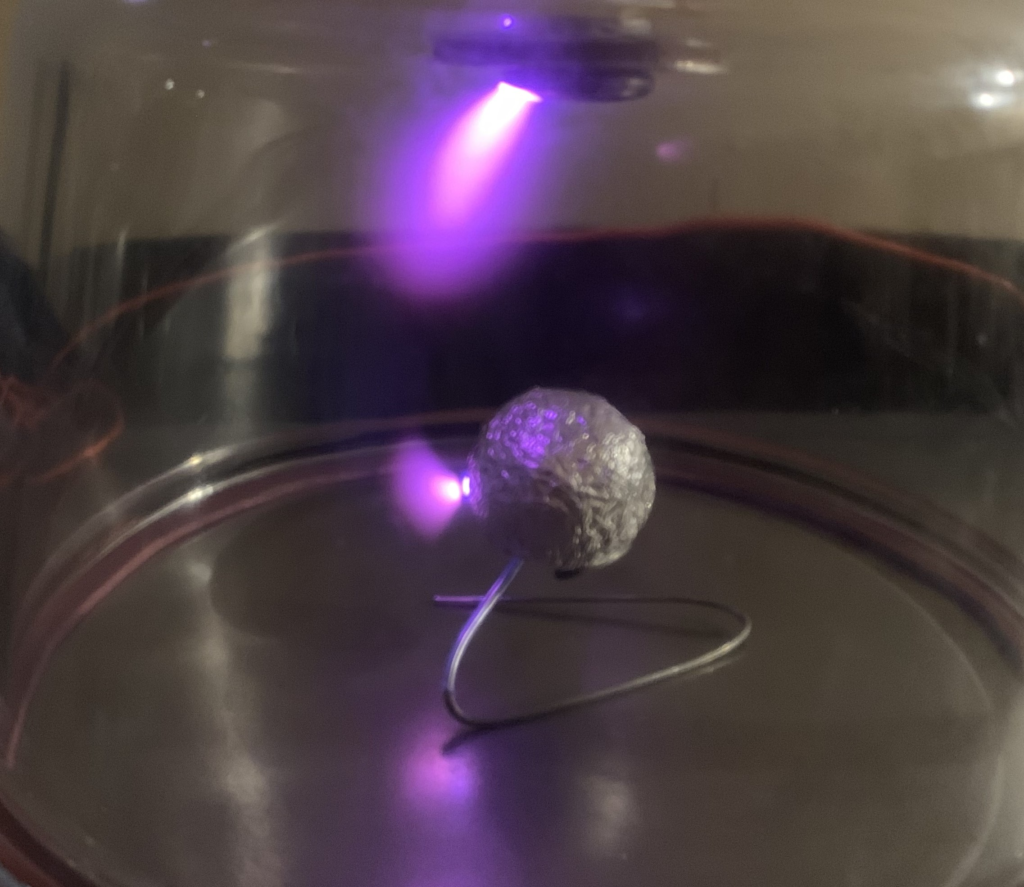
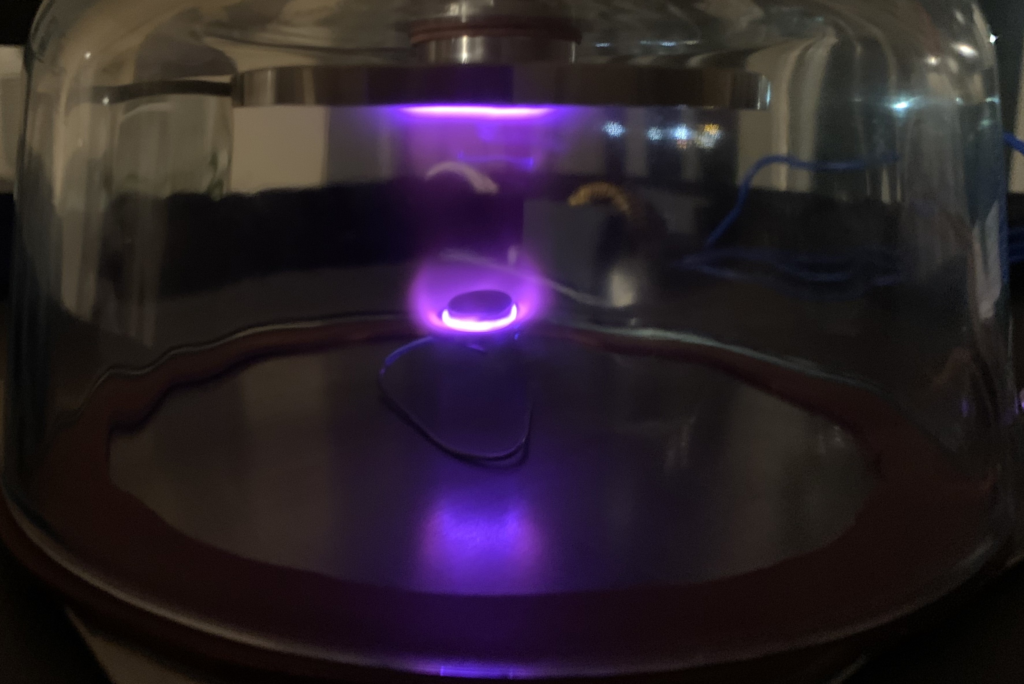
A planeterrella is a method for demonstrating the kind magnetic interactions with solar phenomena one would expect from a planet. In effect, it’s just putting a magnet in a grounded ball and allowing the discharge to flow around it to form auroras.
Alternately, you can just put a magnet in direct contact with a plasma and let it hold the charged particles by redirecting their motion with the Lorentz force and the many forms of magnetically induced drift. Unfortunately that does tend to heat the magnets up and depolarize them, though I’m not certain they ever hit the N52 rare earth magnet Curie temperature (~300 deg C).
Phase 2: Magnetron sputterer
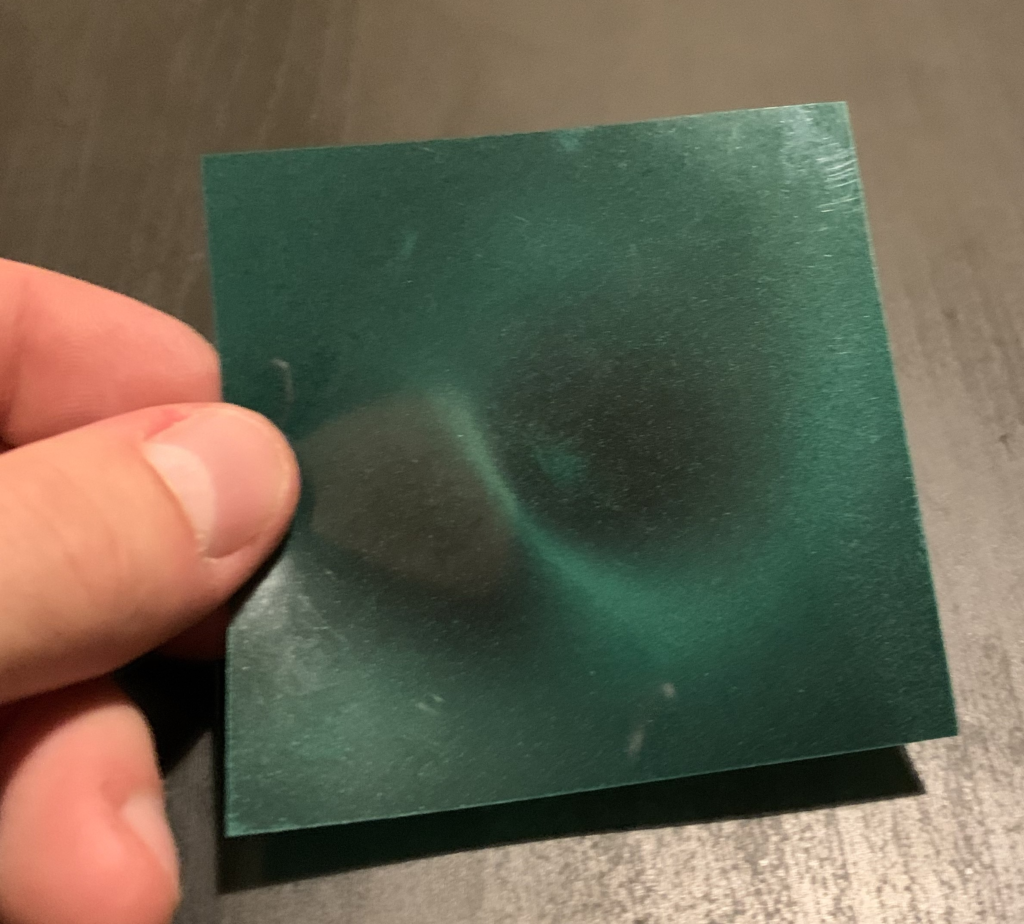
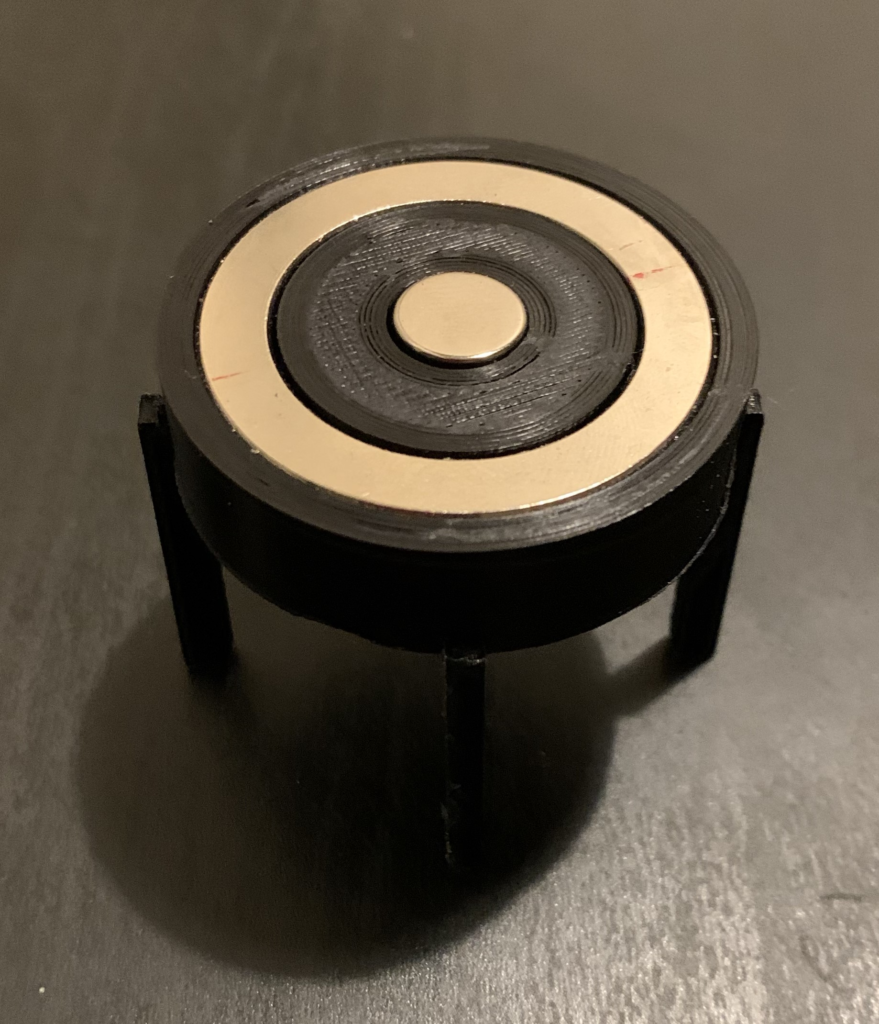
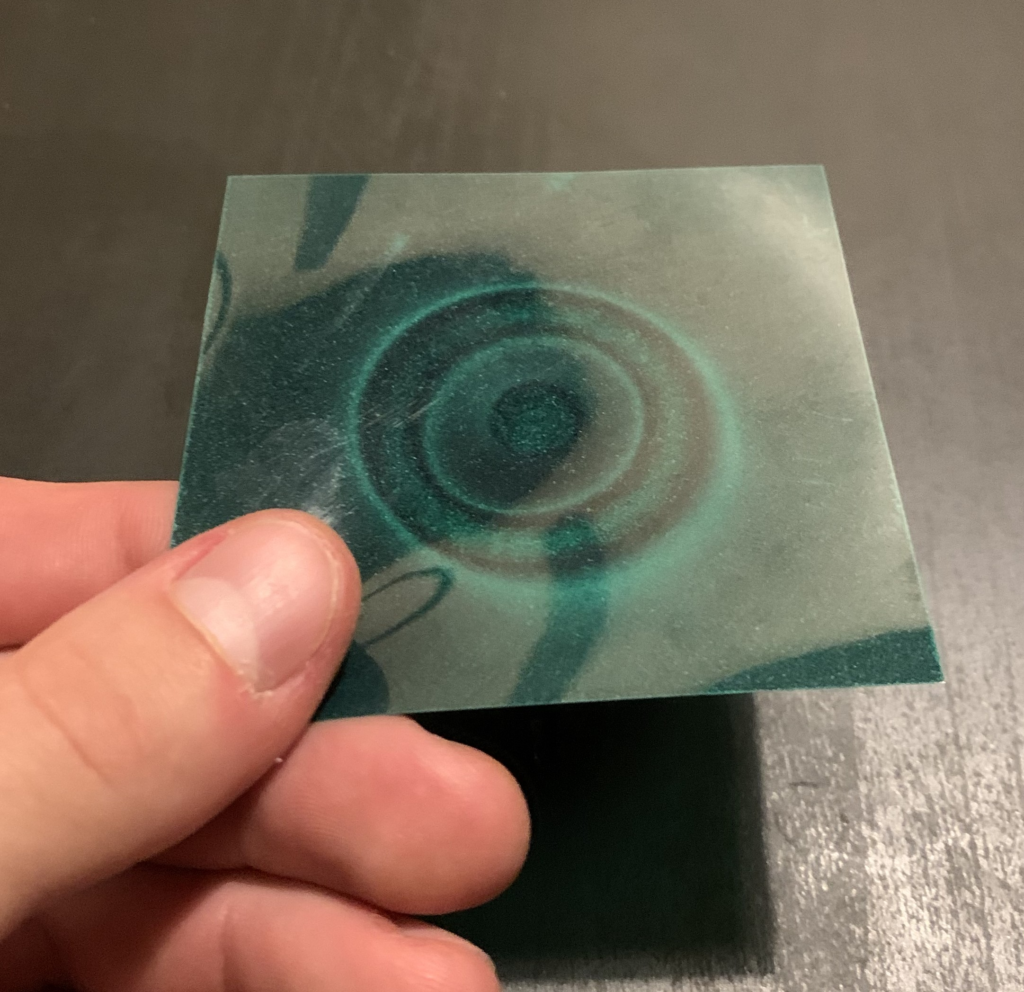
Confining electrons and ions through magnetic fields is fun, but how can it be used? Get big/strong magnets, make their fields donut shaped and put them under a material you want to ionize. If the magnets are safe, cool, and out of direct contact with the plasma (aka. outside of the reactor and underneath the non-ferrous baseplate) putting a piece of copper or another material between the magnet and the live electrode will form a magnetically confined region. As this system doesn’t introduce heavy gasses to assist in sputtering and runs on an RF signal it will be much less efficient than commercial DC systems using xenon. However, the magnetically confined region will create a higher electron density which will increase localized electric fields and pull the impacting ions into a collision with the sputtering target (the thing you want to coat with). These collisions will occur with such energy that atoms of the sputtering target will be knocked off, flying perpendicular to the surface of ejection. This technique is commercially used to coat objects in thin layers of precious materials like platinum or iridium. I’m a graduate student so… copper is precious enough for me.
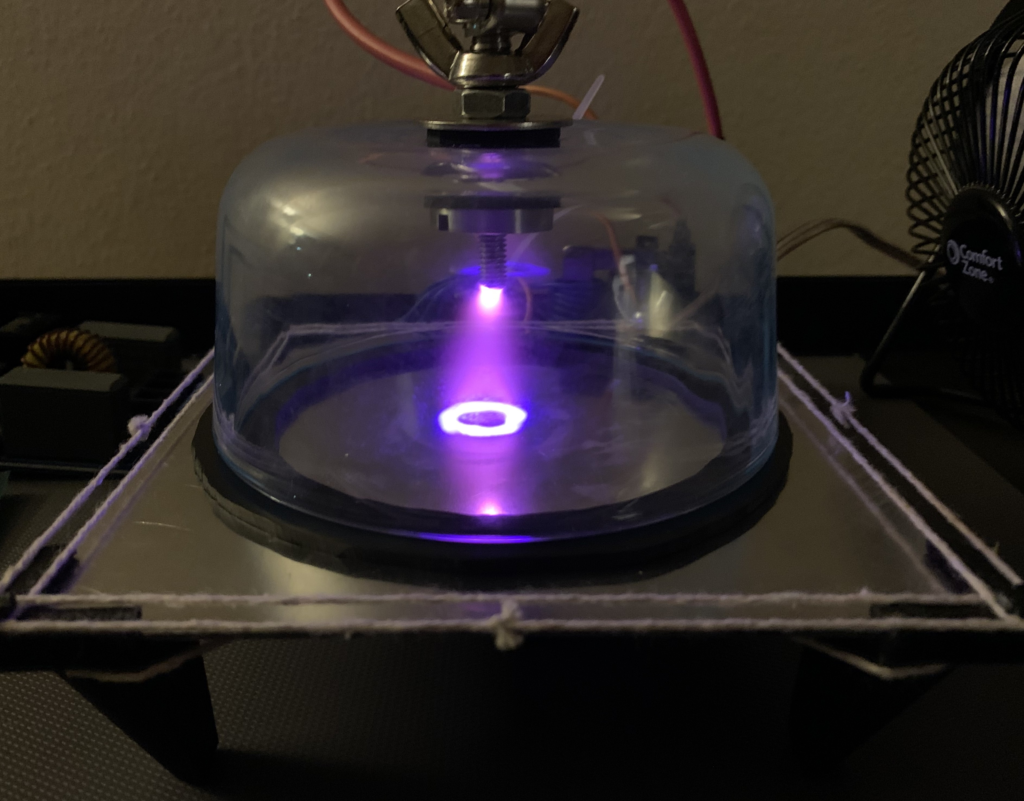
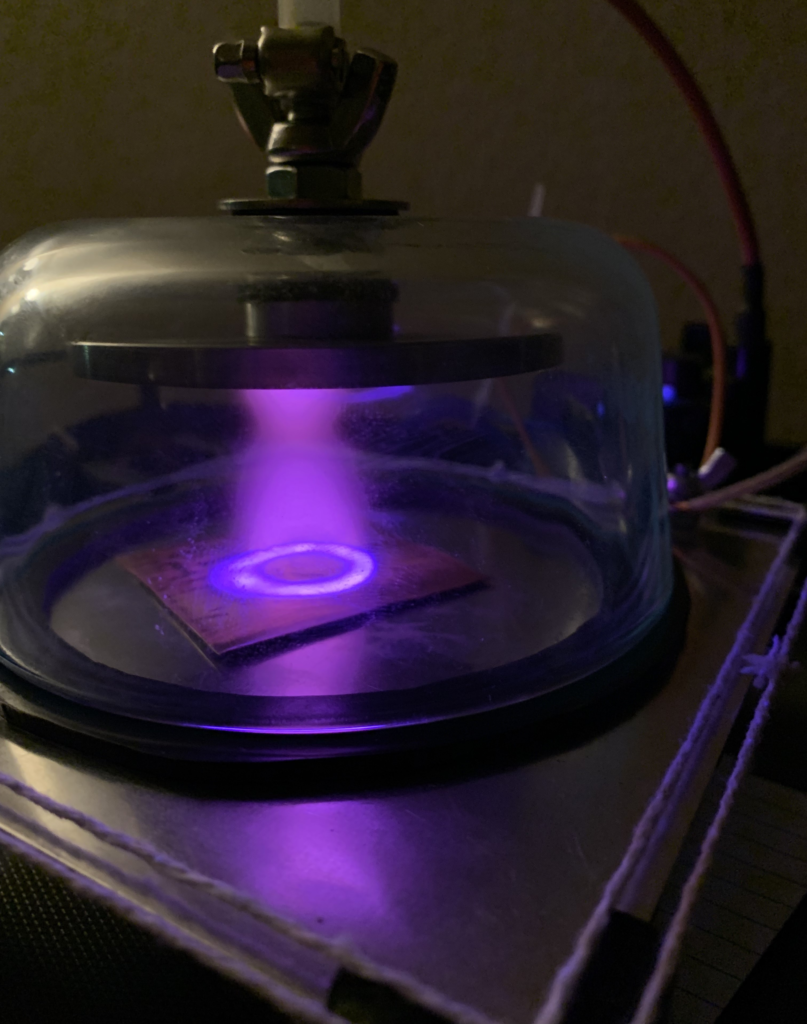
Phase 3: Changing the power frequency
Commercial toys like plasma globes use flyback transformers at ~20 kHz while fluorescent lightbulbs operate using an electronic ballast increasing mains frequency to 40-60 kHz for efficient operation. However, non-thermal plasma experimentation has been using 13.56 MHz as the frequency of choice for decades now. Why? That frequency is an ISM band, which is a frequency set aside by the International Telecommunications Union (ITU) Radio Regulations for Industrial, Scientific, and Medical (ISM) uses instead of communication. As a result RF generators are generally built to output at those frequencies and labs buy what is available. A few publications have noted that there actually does appear to be a difference between plasmas powered by different RF signals, but not too much work has been done to characterize it. This is my next step (when I make time for it) as in theory, changing the resistance of a couple components in my little power circuit should change the frequency of my output signal.
Too be continued…
Side Projects
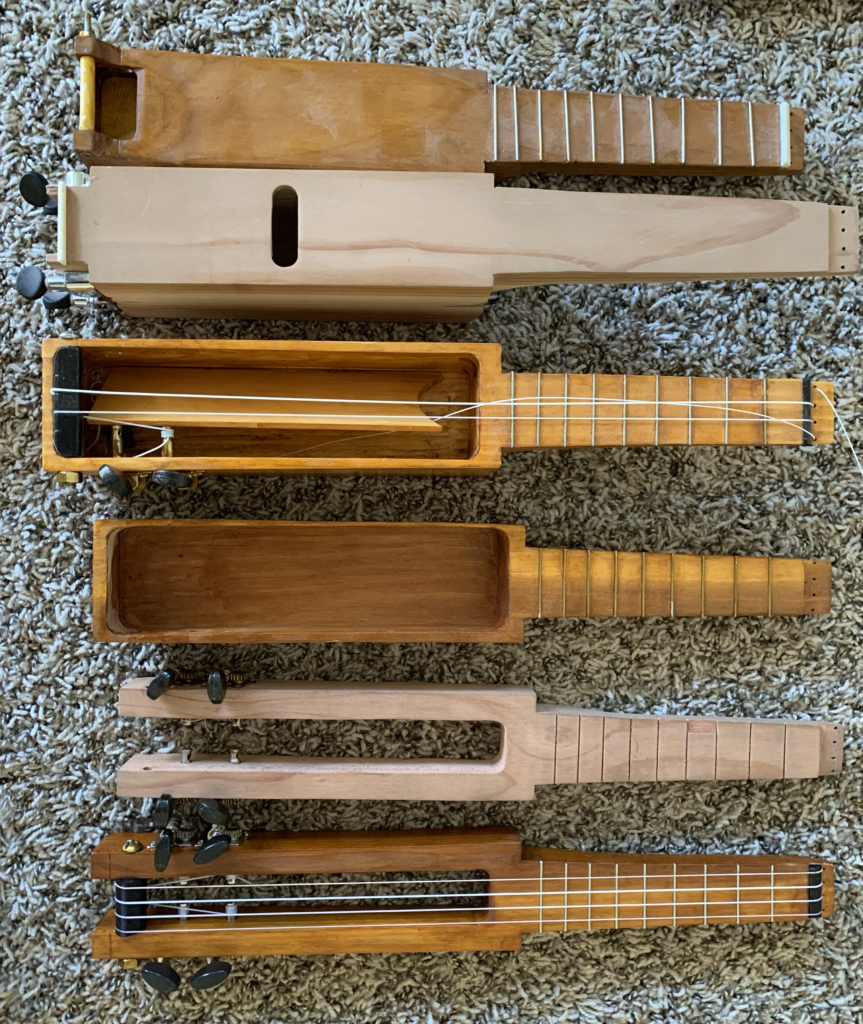
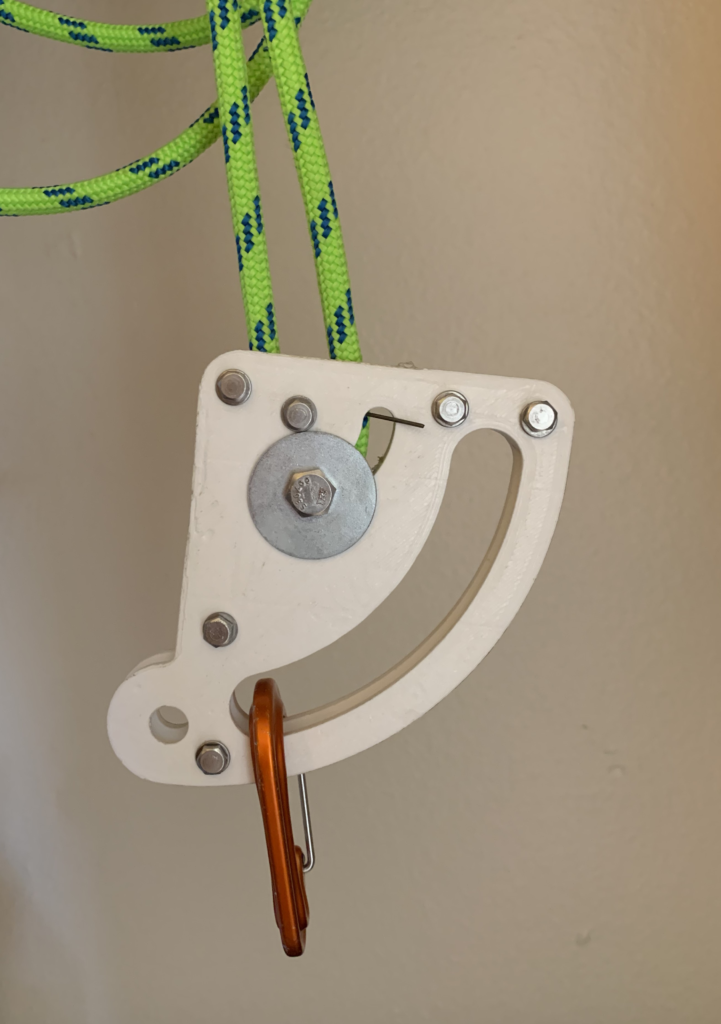
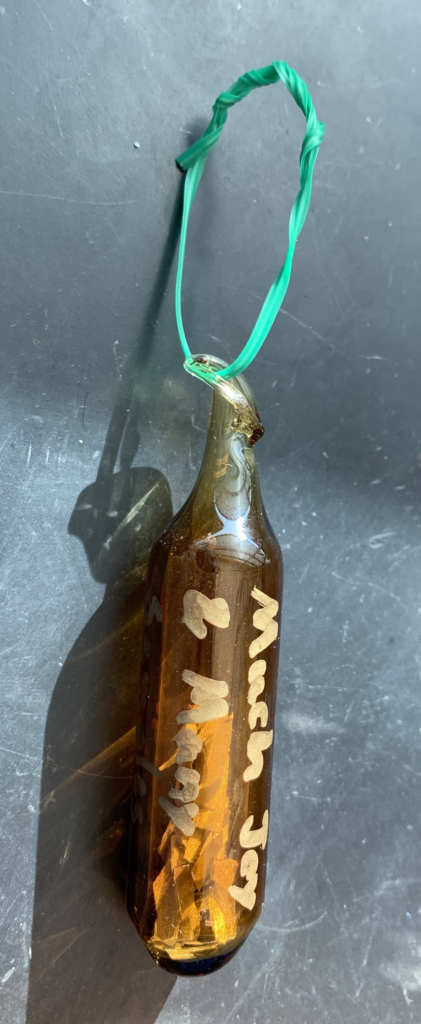
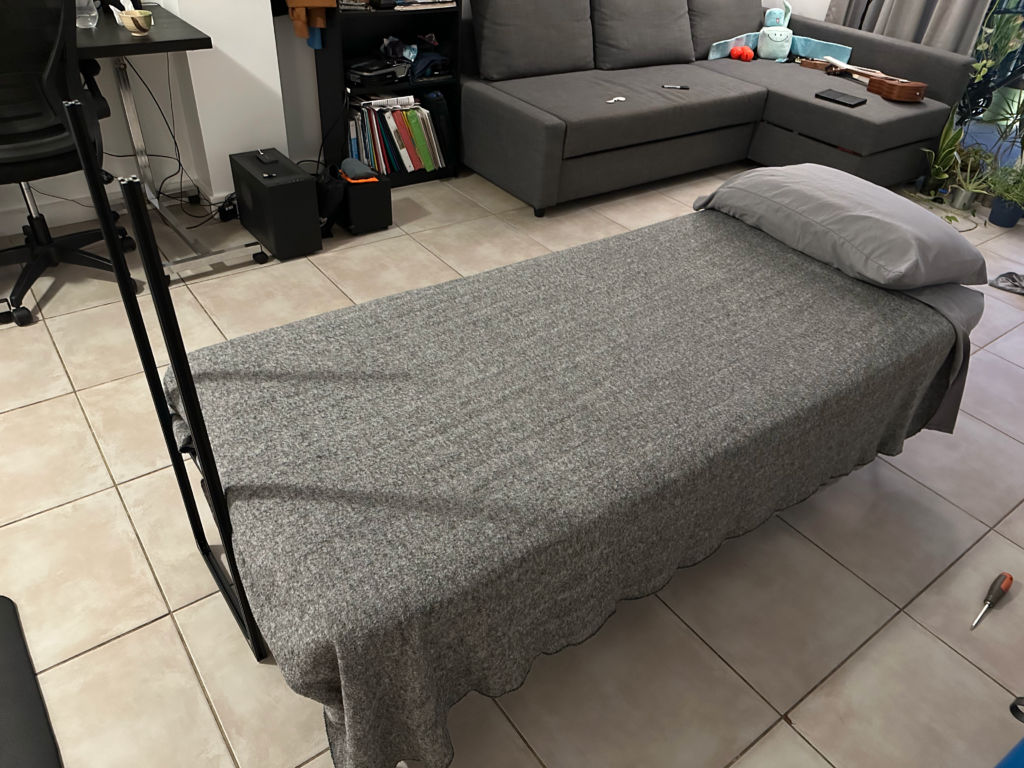
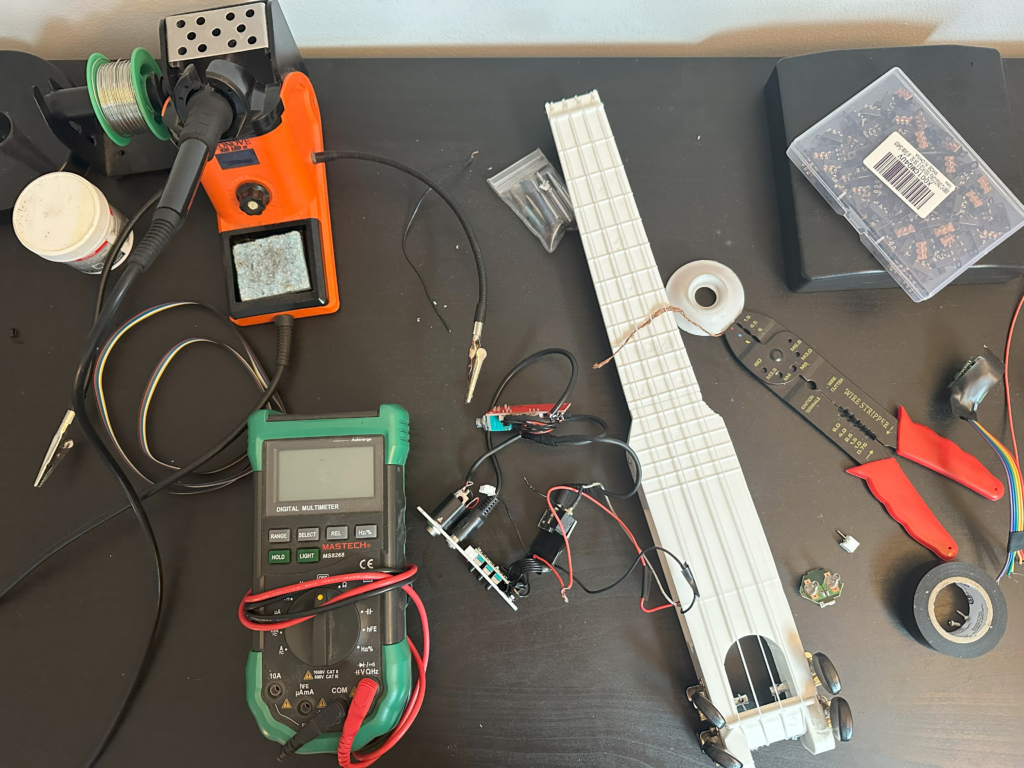
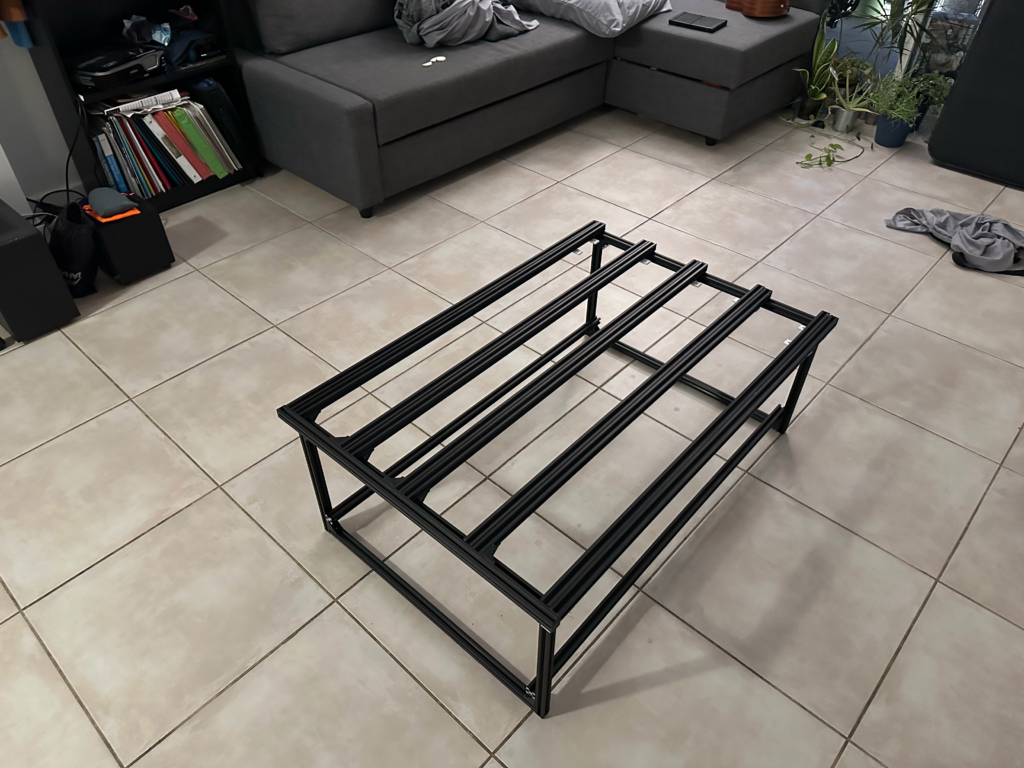
I also have a tendency of just building things when I see a need… Here are my portable ukulele, holiday ornaments, self-belaying climbing prototypes, and other little boredom fighting efforts.